What are Bacteriophages?
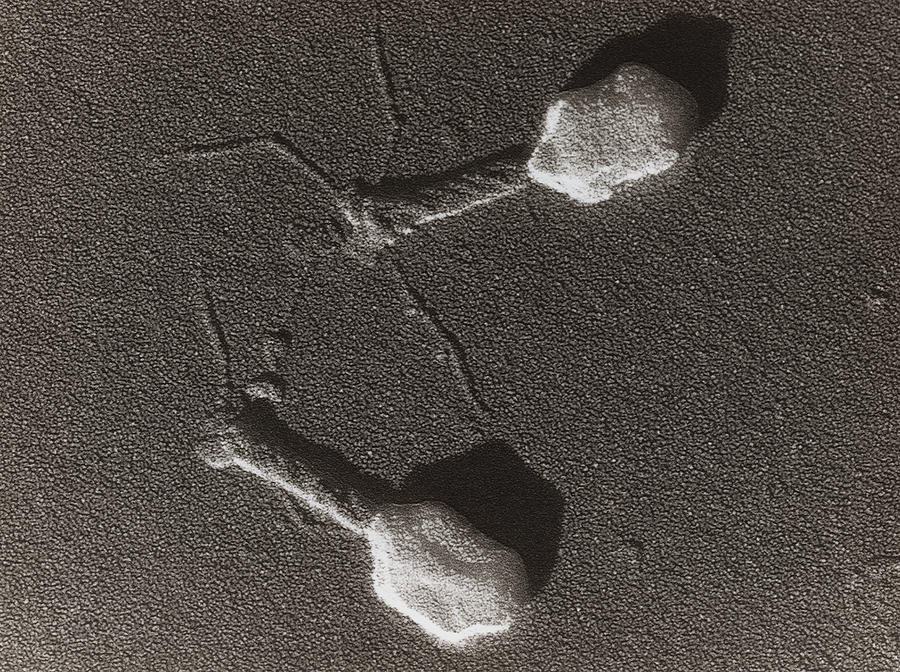
Bacteriophages, often simply called phages, are viruses that specifically infect bacteria. They are the most abundant biological entities on Earth and play a vital role in ecology and medicine.
History
They were discovered in 1915 by Frederick Twort and in 1917 by Félix d'Hérelle, who described them as "bacterial viruses".
Applications
In medicine, phages are used to treat bacterial infections, especially those caused by antibiotic-resistant bacteria. This is known as phage therapy.
About Me

I am a student of Bioanalytics and Cell Biology at FHNW Muttenz, and I am fascinated by the invisible battles taking place at the microscopic level every day. My personal "aha moment" came in my 2nd semester when we dove deep into the world of viruses in microbiology. When I first understood how bacteriophages work, I was immediately captivated. The idea that nature has developed these highly specialized, tiny "machines" over millions of years to precisely hunt their bacterial hosts has not let me go. Especially given the looming global crisis of antibiotic resistance, I see phages not only as a biological miracle but as real hope for the medicine of tomorrow.
This exact enthusiasm is how phagena.com came to be. My goal with this site is to document my own learning journey and make this complex, fascinating topic accessible to everyone. Whether you are researching, studying, or just curious – I look forward to connecting with you!
Current Research & Publications
Loading latest publications...
FAQ
Are phages dangerous to humans?
No, bacteriophages are specifically targeted at bacteria and do not attack human cells.
Do they replace antibiotics?
They are a powerful supplement to antibiotics, especially for resistant bacteria, but not a complete replacement in every case.
Where can they be found?
Everywhere bacteria exist – in soil, water, food, and within the human body.